













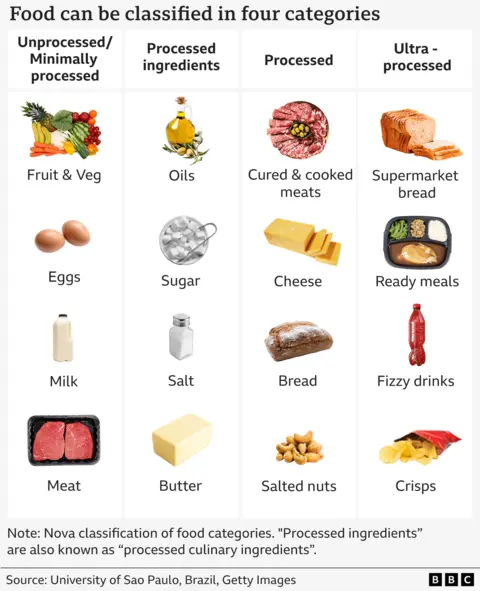
Health experts around the world are sounding the alarm: ultra-processed foods (UPFs) are becoming one of the biggest threats to public health. From chronic diseases to early death, the evidence linking UPFs to serious health problems is now too strong to ignore.
A major review published in The Lancet, covering 104 scientific studies, found that diets high in UPFs are associated with 12 different diseases and health conditions — making this issue a top priority for public health systems worldwide.
Key Health Risks Linked to Ultra-Processed Foods
1. Obesity
- Higher risk, with controlled studies showing people eat up to 500 more calories a day when consuming UPFs.
- Why? These foods are soft, easy to chew, highly palatable, and engineered to make us overeat.
2. Type 2 Diabetes & Prediabetes
- Strongly linked, especially among younger adults.
- Why? UPFs break down rapidly into sugars, causing blood sugar spikes and insulin resistance.
3. Heart Disease
- Increased chances of high blood pressure, heart attacks, strokes, and death from cardiovascular issues.
- Why? UPFs are high in harmful fats, salt, and sugars that fuel inflammation and disturb cholesterol levels.
4. Cancer
- Higher risk of several cancers, including colorectal, breast, and stomach cancer.
- Why? Some UPFs contain cancer-linked additives (e.g., nitrites in processed meats) and packaging chemicals (like bisphenols).
5. Mental Health Problems
- Greater risk of depression, anxiety, and cognitive decline.
- Why? UPFs disrupt the gut microbiome and affect brain chemistry, increasing inflammation and altering reward pathways.
6. Other Serious Conditions
Linked to:
- chronic kidney disease
- irritable bowel syndrome
- non-alcoholic fatty liver disease
- higher risk of death from all causes
Why UPFs Are So Harmful
The problem isn’t just the high sugar, salt, and unhealthy fats.
Ultra-processing itself changes the structure of food, stripping away nutrients and altering how our bodies digest and respond to it. Additives, preservatives, flavor enhancers, and packaging chemicals may also interact in ways that scientists are still trying to fully understand.
In simple terms: UPFs are designed for long shelf life and taste — not for health.
A Global Call for Action
With evidence piling up, global health experts are urging governments to act now. Recommendations include:
- Clear front-of-pack labels
- Restrictions on marketing unhealthy foods, especially to children
- Taxes on sugary drinks and junk food
- Campaigns to promote whole and minimally processed foods
Public health researchers warn that without immediate action, the rising consumption of UPFs could fuel a long-term crisis of preventable diseases.