














Photo by Liza Summer on <a href="https://www.pexels.com/photo/worried-young-woman-covering-face-with-hand-6382634/" rel="nofollow">Pexels.com</a>
Understanding Anxiety Disorders
Anxiety disorders go by many familiar names—worry, nervousness, unease, restlessness, or mental tension. At its core, anxiety is the body’s natural response to stress, a state of fear or apprehension about something that lies ahead. But when this feeling persists and begins to interfere with daily life, it becomes a disorder. Studies show that women are more prone to anxiety disorders than men. If someone experiences these symptoms continuously for more than six months, it’s generally recognized as an anxiety disorder.
What Is an Anxiety Attack?

An anxiety attack is marked by sudden, overwhelming feelings of fear, distress, or intense worry. For some, it builds up slowly as a stressful situation draws near, while for others, it strikes unexpectedly. The triggers and symptoms differ from person to person and may even shift over time. Common signs include a racing heartbeat, trembling, shortness of breath, dizziness, and an inability to focus.
Treatment Options (with Doctor’s Consultation)
Once diagnosed, treatment depends on the severity of the condition. In mild cases, lifestyle changes and dietary adjustments may be enough to ease symptoms. But for moderate to severe anxiety, doctors often recommend psychotherapy (like talk therapy) and, when needed, medication.
- Psychotherapy helps individuals identify thought patterns that trigger anxiety.
- Medications, such as antidepressants and sedatives, work to balance brain chemicals, reduce episodes of anxiety, and stabilize mood.
Diet and Nutrition for Anxiety Relief
Science increasingly points to a deep link between food and mental health. A nutrient-rich diet can calm the mind and ease anxiety symptoms.
Foods that help manage anxiety:
Omega-3-rich foods: walnuts, flaxseeds, mustard seeds, soybeans, sprouts, tofu, cabbage, broccoli, and green leafy vegetables.

Probiotic foods: yogurt, cottage cheese, kimchi, sauerkraut, miso soup, and pickles — they support gut health, which in turn affects mood.

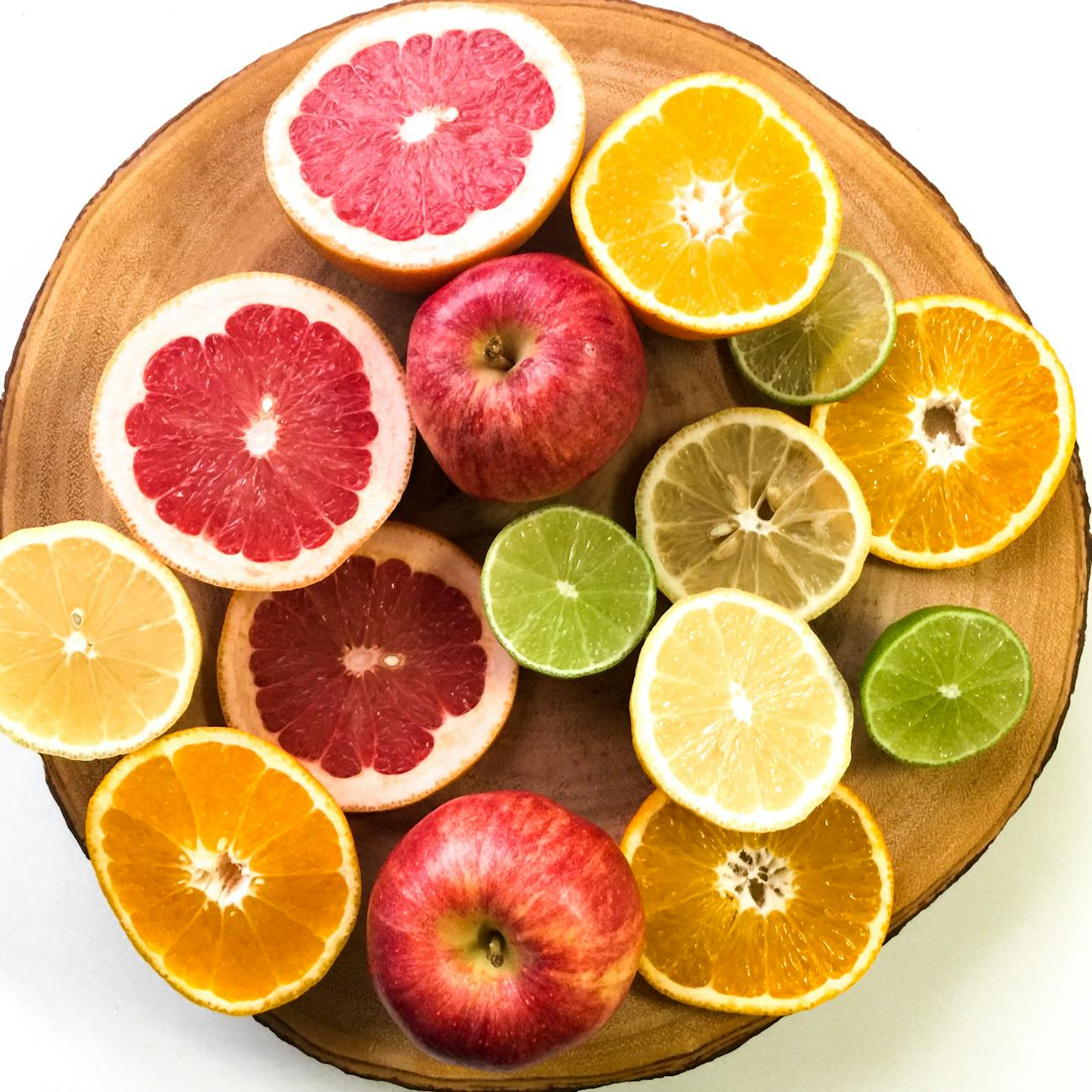
Antioxidant sources: blueberries, raspberries, apples, spinach, eggplant, and black beans.

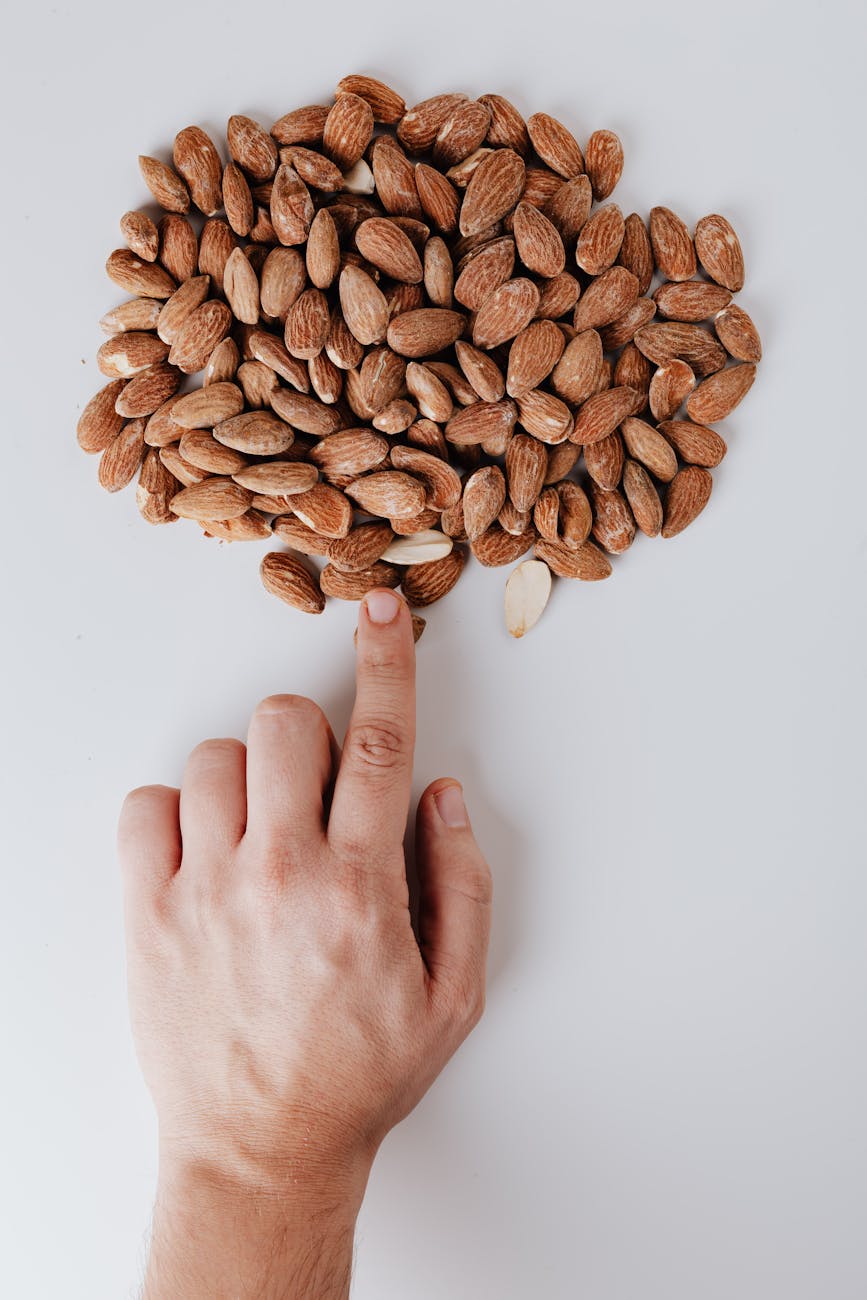
Magnesium-rich foods: almonds, cashews, pumpkin seeds, avocados, bananas, okra, and spinach — helpful in stabilizing mood and reducing stress.
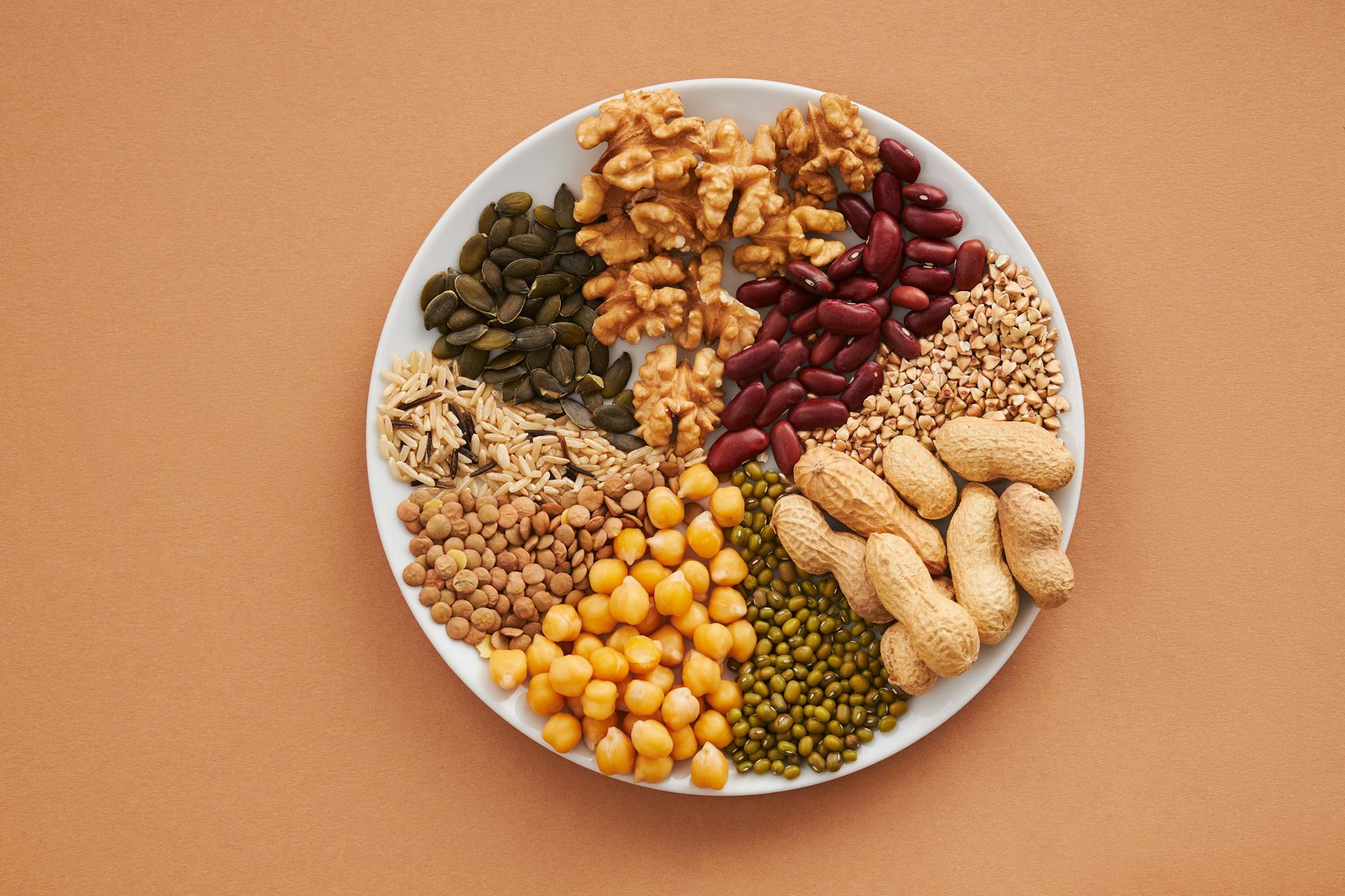
Beta-carotene foods: carrots, sweet potatoes, spinach, and kale.

Vitamin B & C sources: citrus fruits, red peppers, Brussels sprouts, and strawberries.
Vitamin E sources: almonds, sunflower seeds, and avocados.
And above all, stay hydrated — drinking enough water keeps the body balanced and the mind clear.

Anxiety may be common, but it’s also manageable. With awareness, balanced habits, and proper care, it’s possible to move from constant worry to steady calm.